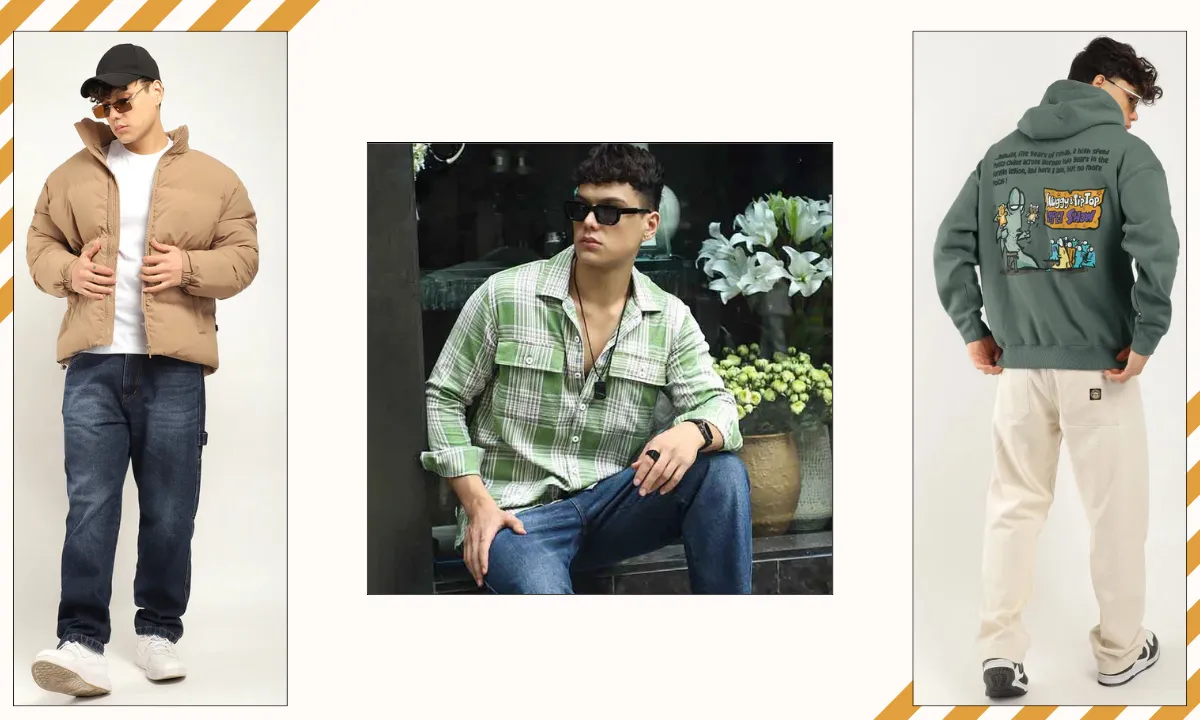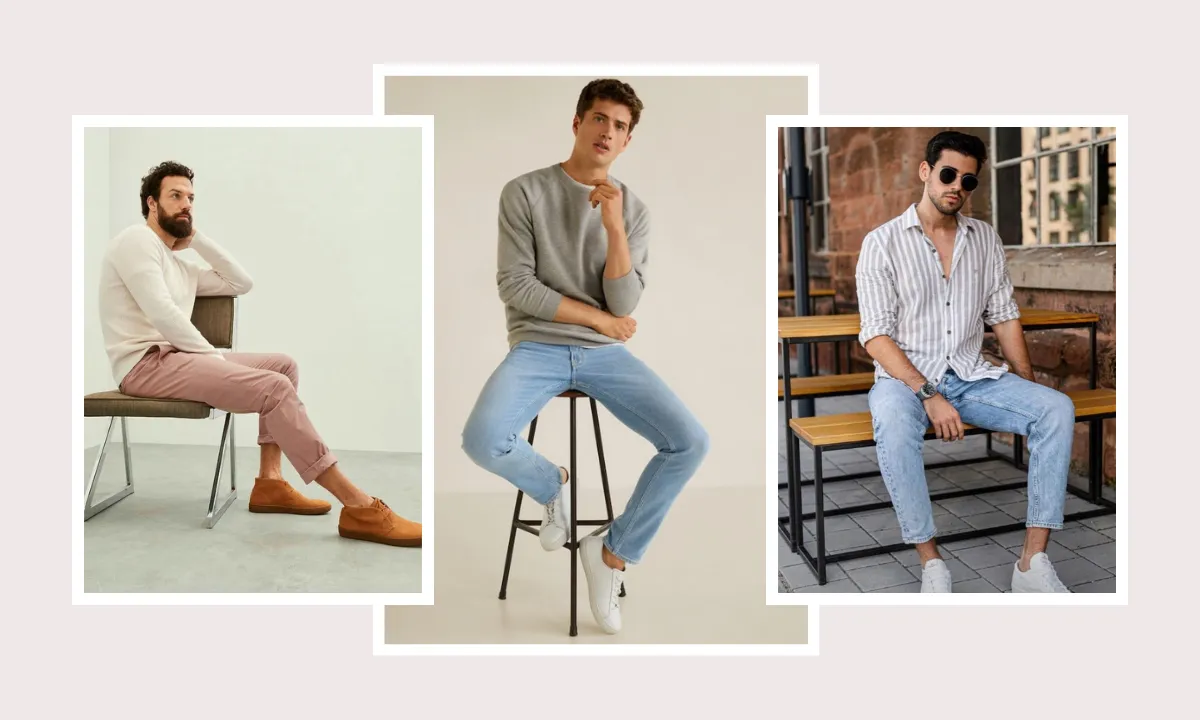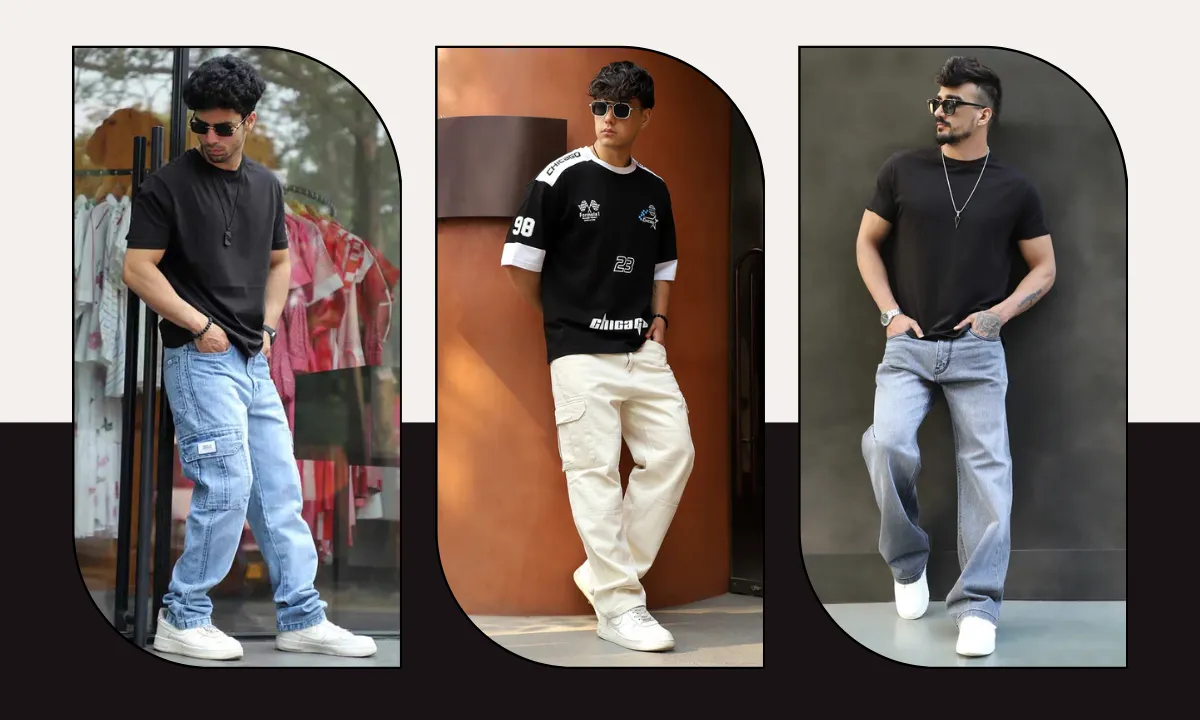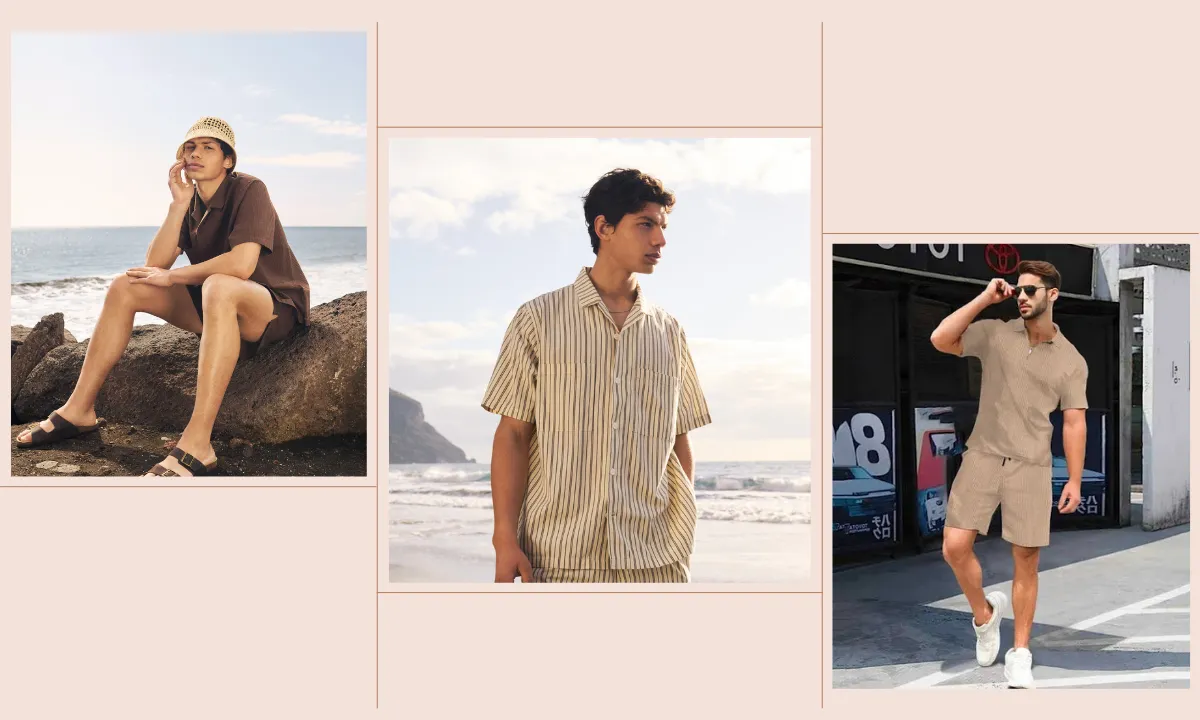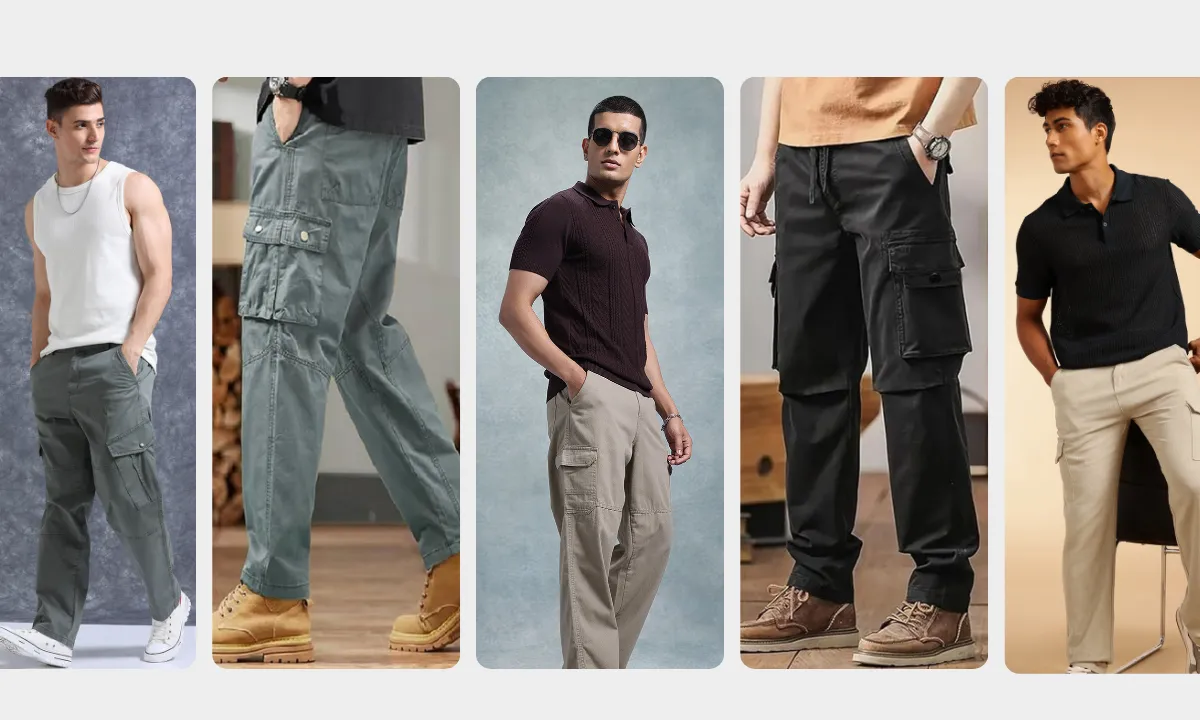
Choosing between long-sleeve and short-sleeve shirts might seem like a small decision, but it can actually affect your comfort, your style, and how confident you feel in your outfit. Both types of sleeves have their own strengths, and the best choice often depends on your body type, the season, the occasion, and your personal preference. In this article, we will explore everything you need to know about long-sleeve and short-sleeve shirts so you can choose the one that fits your lifestyle and fashion taste the best.
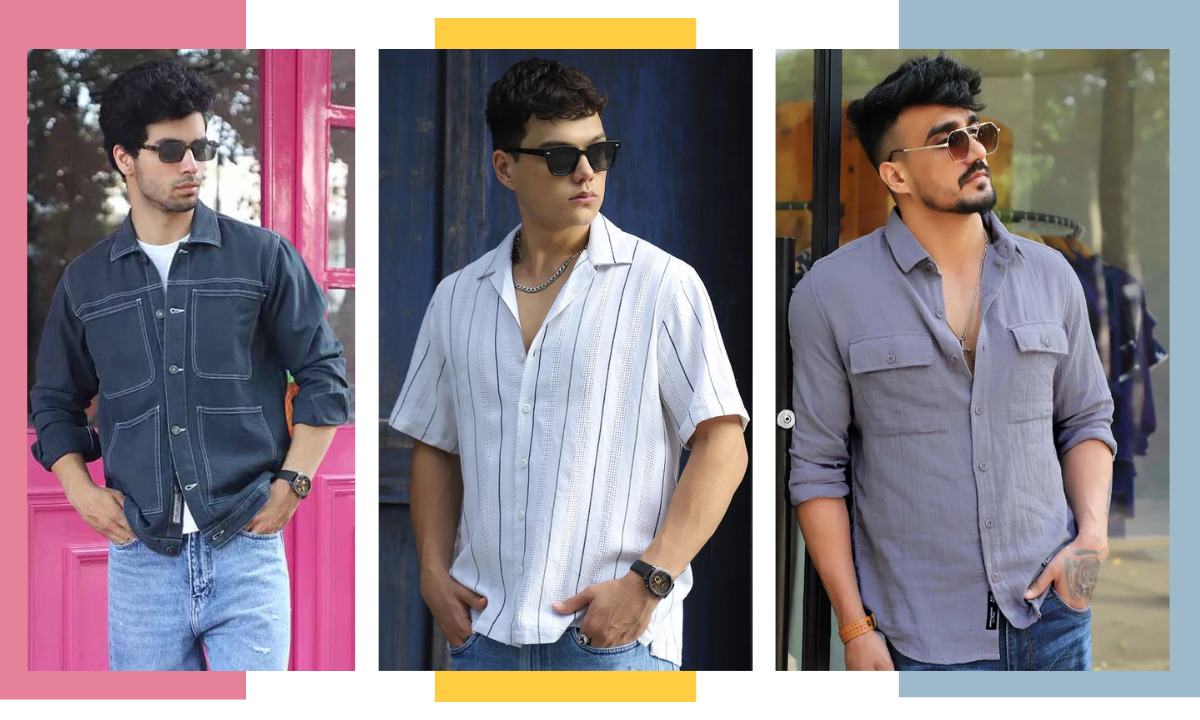
Long-sleeve shirts have been a classic wardrobe item for decades. They offer more coverage, which can be especially helpful in cooler seasons or when you want a slightly more polished appearance. Many people love long sleeves because they can be styled in many different ways. You can keep the sleeves fully extended for a neat and clean look, or you can roll them up for a more relaxed feel. This flexibility makes long-sleeve shirts a great option for many outfits, from business meetings to casual weekend outings.
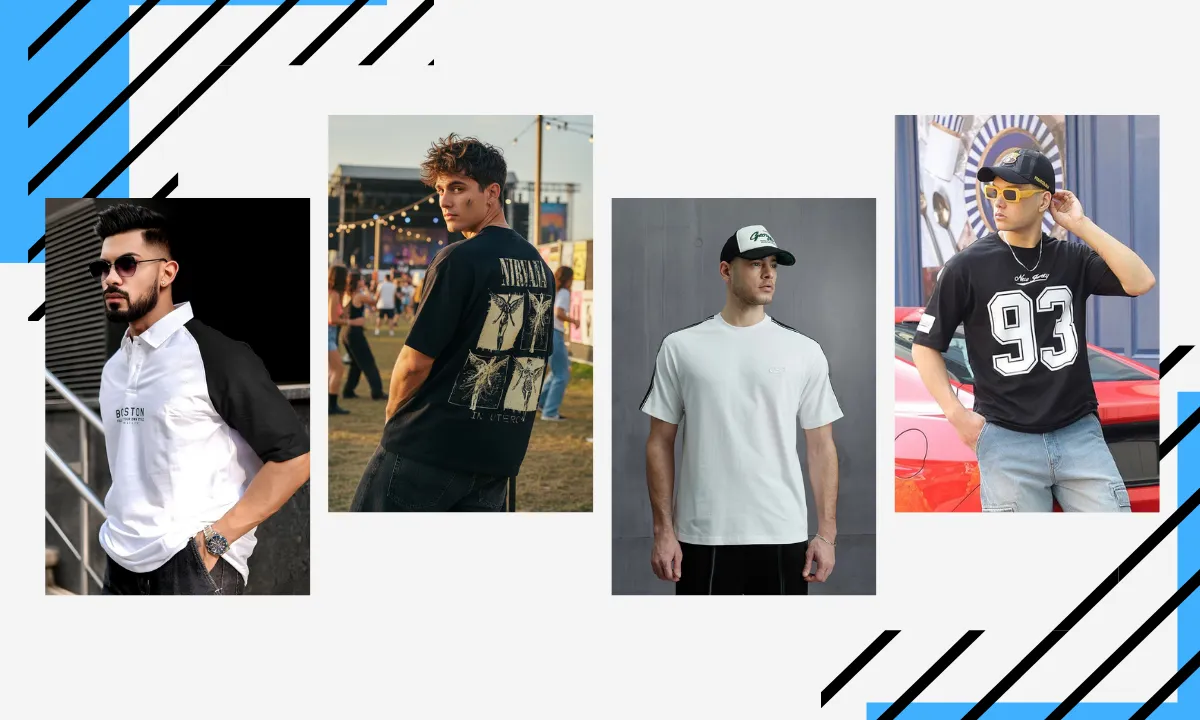
Short-sleeve shirts, on the other hand, are all about comfort and ease. When the weather is warm or when you want a casual and breathable outfit, short sleeves become the top choice for many people. They help keep your arms cool and allow better airflow, which is especially useful during summer. Short-sleeve shirts come in many forms, including t-shirts, polo shirts, button-downs, and more. Because of their simplicity and comfort, short sleeves remain one of the most popular shirt styles across all ages.
One of the biggest things to think about when choosing between long sleeves and short sleeves is the weather. Climate plays a major role in what type of clothing feels right. In cold or transitional seasons, long sleeves provide warmth and comfort. You can also layer long-sleeve shirts with jackets, sweaters, or coats, giving you more styling options while staying cozy. However, during hot and humid days, short sleeves are the natural go-to. Wearing long sleeves in high temperatures can feel heavy and uncomfortable, while short sleeves help your body stay cooler and more relaxed.
Another important factor is the occasion. What you wear often depends on where you are going and what type of environment you will be in. Long-sleeve shirts tend to look more formal and professional. They are commonly seen in workplaces, business events, job interviews, and formal gatherings. Even if the shirt design is simple, long sleeves instantly make an outfit look more refined. Short sleeves, however, lean more toward casual and laid-back settings. They are perfect for running errands, hanging out with friends, going on outdoor trips, or attending relaxed social events. While some short-sleeve button-downs can look semi-formal, they usually do not reach the same level of formality as long sleeves.
Your body type can also influence which sleeve length looks best on you. For example, people with thinner arms or longer limbs often feel more comfortable in long-sleeve shirts because they provide balance and coverage. Long sleeves can also make your overall silhouette appear more structured. Meanwhile, if you have a muscular build or broad shoulders, short sleeves can highlight those features in a flattering way. Many people with toned arms prefer short sleeves to show their natural definition. However, personal comfort should always come first. The best choice is the one that makes you feel confident when you look in the mirror.
Comfort is another major consideration. Long-sleeve shirts can feel soft and cozy, especially if they are made of breathable materials like cotton or linen. But they may feel too warm if the fabric is thick or if the weather is hot. Short-sleeve shirts often feel more lightweight and flexible, allowing easier arm movement. If you prefer a relaxed and breezy feeling throughout your day, short sleeves may suit you best. However, if you enjoy feeling a bit more covered and supported, long sleeves might be your ideal choice.
Style also plays a huge role. Some people simply prefer the elegant, timeless look of long sleeves. They pair well with jeans, trousers, skirts, or shorts, making them a very versatile clothing item. Rolling up long sleeves can add a stylish touch that shows personality and creativity. Short sleeves, meanwhile, offer a youthful and easygoing appearance. They are especially popular in streetwear, sportswear, and casual fashion. Because of the wide variety of colors, patterns, and prints available, short-sleeve shirts can help you create fun, simple, or bold looks depending on your mood.
The purpose of your outfit matters too. If you are dressing for work, long sleeves may be the safer choice because they fit most dress codes. Even in informal workplaces, long sleeves still give a neat and tidy impression. On the other hand, if you are preparing for outdoor activities such as hiking, biking, or beach trips, short sleeves are usually more practical. They offer freedom and breathability, helping you stay comfortable while moving around.
Fabric choice can also influence the comfort and suitability of sleeves. Long-sleeve shirts made with thick materials will naturally feel warmer, which is great for cold seasons but not ideal for summer. Long-sleeve shirts made from lightweight linen or moisture-wicking fabrics, however, can actually feel surprisingly cool. Short-sleeve shirts come in a wide range of fabrics, from cotton to polyester blends to performance materials designed for sports. Depending on the fabric you choose, short sleeves can feel soft, stretchy, or highly breathable.
Another advantage of long sleeves is sun protection. If you spend a lot of time outdoors or have sensitive skin, long sleeves provide extra coverage from UV rays. Some long-sleeve shirts are even designed with special sun-blocking technology. Short sleeves do not offer the same level of sun protection for your arms, so they may require extra sunscreen. Still, short sleeves can be the better option when you want maximum airflow and minimal weight.
Fashion trends also play a part in sleeve choice. Long sleeves often appear in classic, elegant trends that come back season after season. They work well in layered outfits and seasonal fashion collections. Short sleeves, however, dominate casual trends, especially during warmer months. Graphic tees, printed shirts, and relaxed-fit tops are especially popular, and these styles almost always come in short-sleeve versions. Trends change constantly, but both sleeve styles always remain in fashion in their own ways.
Your daily lifestyle is another helpful guide. If you work indoors or spend most of your time in air-conditioned spaces, long sleeves may actually feel more comfortable throughout the day. They keep you warm enough without needing to put on an extra layer. If you lead a more active lifestyle, short sleeves allow you to move freely and stay cool during physical activities. Consider how you spend most of your time and choose the sleeve style that matches your daily routine.
Laundry and clothing care may also influence your decision. Some long-sleeve shirts require ironing to maintain their crisp appearance, especially dress shirts. Short-sleeve shirts, especially casual ones, often require much less maintenance. If you prefer a minimal-care wardrobe, short sleeves may be more convenient. However, if you enjoy dressing neatly or do not mind a little extra ironing, long sleeves can help you achieve a polished and stylish look.
Budget can also play a role. In general, long-sleeve shirts may cost slightly more because they use more fabric. However, the difference is usually not very large, and both types can be found at affordable prices. The real question is which style will give you the most value based on how often you plan to wear it. If you live in a warm climate, short sleeves might be the more practical investment. If you live somewhere with cooler weather, long sleeves might serve you better.
When deciding between long sleeves and short sleeves, it’s also helpful to look at how each type fits into your existing wardrobe. If most of your clothes are casual, short sleeves may blend more easily with your outfits. If your wardrobe leans more toward formal or semi-formal styles, long sleeves will likely complement your clothes better. Think about the outfits you already enjoy wearing and choose the sleeve style that works best with them.
Finally, personal preference is the most important factor of all. Some people simply feel more confident in long sleeves because they offer a clean, classic look. Others feel happier in short sleeves because they feel lightweight and free. There is no right or wrong choice when it comes to sleeve length. What matters is how you feel when you wear the shirt. Comfort and confidence should always come before trends or rules.
Conclusion
Choosing between long-sleeve and short-sleeve shirts comes down to your lifestyle, the weather, the occasion, your body type, and your personal taste. Long sleeves offer warmth, elegance, and versatility, while short sleeves provide comfort, breathability, and a relaxed style. Both have their own strengths, and neither is better than the other in every situation. The best choice is the one that makes you feel comfortable, confident, and ready for the day. By understanding how each style works and how it fits your needs, you can easily choose the sleeve length that works best for you—every time.